☎ 901-849-2276 · Rntmobilerepair@gmail.com · 3610 Democrat Rd, Memphis, TN 38118
24/7 Emergency Road Service
☎ 901-849-2276 · Rntmobilerepair@gmail.com · 3610 Democrat Rd, Memphis, TN 38118
24/7 Emergency Road Service
☎ 901-849-2276 · ✉ tracyjames2120@gmail.com · 3610 Democrat Rd, Memphis, TN 38118
24/7 Emergency Road Service
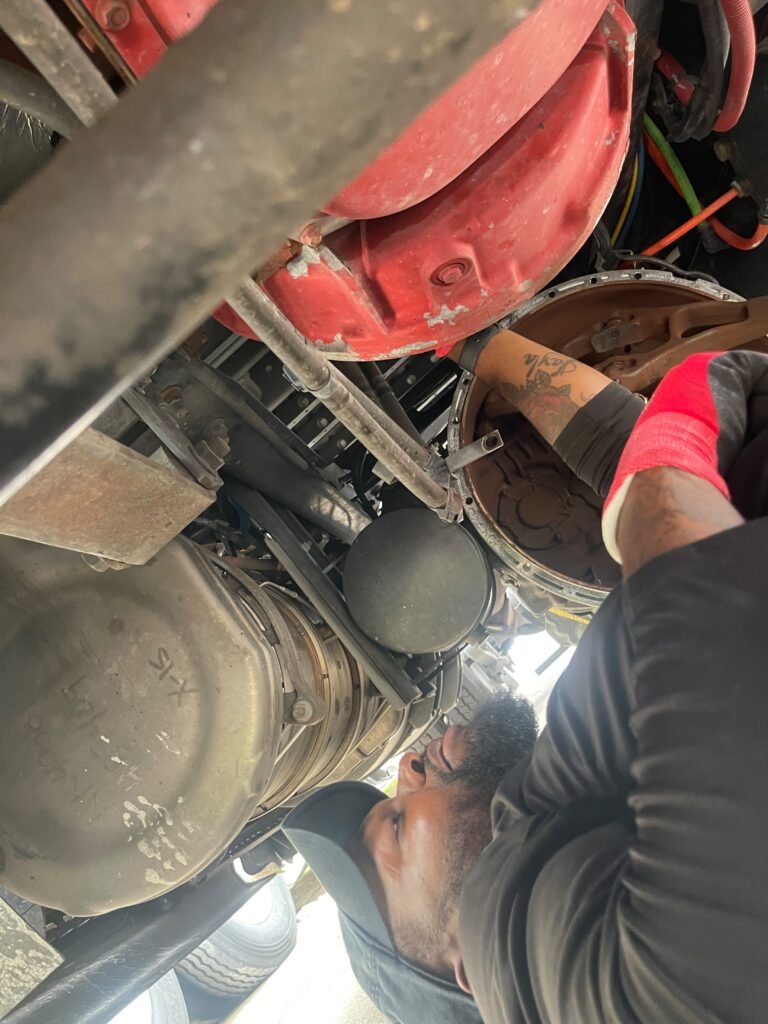
Truck repair guide
The diesel particulate filter (DPF) traps soot from the exhaust so it doesn’t go out the stack. Over time that soot builds up, and the truck has to burn it off. That cleaning process is called regeneration, or a regen. When regens work, you barely notice them. When they don’t, the truck can lose power and go into derate.
✓ Passive regen: happens on its own while driving at highway speed, when the exhaust is hot enough to burn soot. No action needed.
✓ Active regen: the engine raises exhaust temperature on purpose, usually by adding a small amount of fuel, while you keep driving. A dash light often shows while it runs.
✓ Forced or parked regen: started by the driver with a dash switch when the truck asks for it, or by a technician with diagnostic software. The truck stays parked, usually at high idle, until it finishes.
Most forced (parked) regens on semi trucks take roughly 30 to 60 minutes, depending on the engine, the soot load and outside conditions. Active regens while driving often finish in a similar time if the truck keeps moving at speed.
If a parked regen runs far longer than an hour, or keeps stopping early, something is usually wrong, such as exhaust temperatures not getting high enough or a faulty sensor.
There is no fixed schedule. Regens happen as needed, and how often depends on how the truck is used. Long-haul trucks that run at highway speed regen less often because passive regens do most of the work. Stop-and-go driving, short runs and long idling all add soot and mean more frequent regens.
The best guide is your own truck: if it suddenly asks for regens much more often than it used to, have it checked before it turns into a derate.
When soot builds up too far, a regen can’t finish, or the system detects an emissions fault, the engine computer limits power and sometimes speed to protect the engine. Common causes include:
✓ A clogged DPF with too much soot or ash
✓ Regens that keep getting interrupted or skipped
✓ DEF problems: poor-quality DEF, a failed DEF pump or heater, or a crystallized doser
✓ Faulty NOx, temperature or pressure sensors
✓ Exhaust leaks or EGR problems
✓ Injector or turbo issues that create extra soot
✓ Don’t ignore regen requests; let parked regens finish
✓ Cut unnecessary idling where you can
✓ Use quality, sealed DEF and keep it in the DEF tank only
✓ Fix engine problems that create extra soot, like leaking injectors
✓ Follow the ash-cleaning interval in your service manual, since regens burn soot but not ash
Clearing codes doesn’t fix a derate; finding the cause does. Rush National diagnoses DPF, DEF and aftertreatment faults, runs forced regens with diagnostic tools when it is safe to do so and repairs failed sensors and DEF parts, at your location or our shop on Democrat Rd. Call 901-849-2276, 24/7.
Call 901-849-2276How we can help
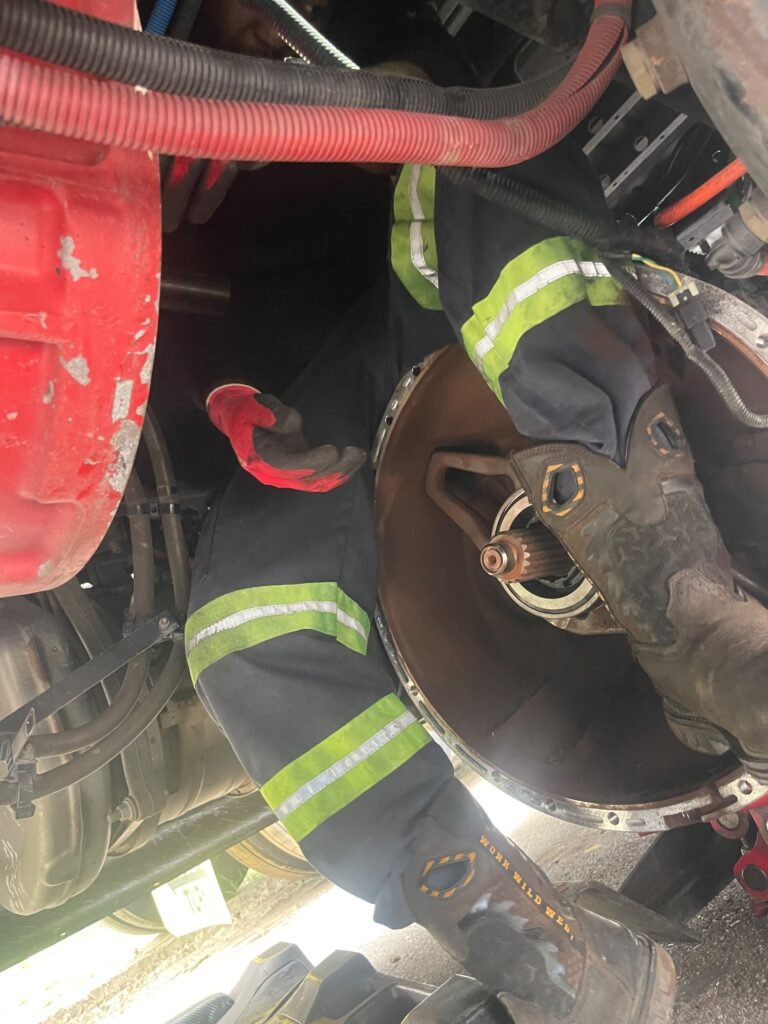
Diagnosis and repair of DPF, DEF and aftertreatment problems on semi trucks in Memphis, including forced regens, 24/7.
View details → Diesel engine diagnosis and repair for semis and medium-duty trucks, from fuel injectors to water pumps, done where your truck is.
View details →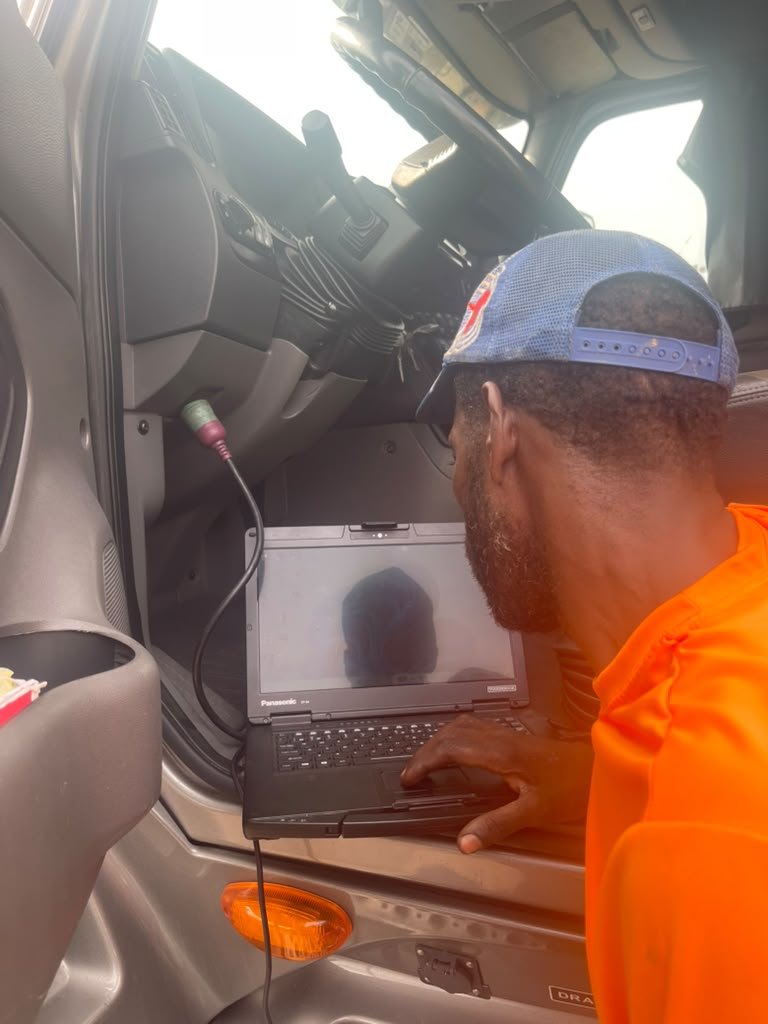
Computer diagnostics, alternators, wiring, lights and warning-light faults traced and fixed on trucks and trailers.
View details →Get help fast
Tell us the county, the highway and exit or mile marker, and what the vehicle is doing. For scheduled work, send the form and we'll call you back.
✓ 24/7 emergency road service
✓ Memphis metro & Middle Tennessee
✓ Trucks, trailers, equipment & cars
FAQ
Still have a question? Call us any time. We’re open 24/7.
Usually about 30 to 60 minutes on a semi truck, depending on the engine and soot load. Much longer than an hour, or stopping early, usually points to a problem.
Active regens happen while you drive. A forced or parked regen needs the truck parked, usually at high idle, until it finishes.
If the soot load stays too high or the system detects a fault, the engine computer limits power to protect the engine. The cause needs to be diagnosed, not just cleared.
Rush National is a Memphis-based mobile diesel mechanic and tire and truck repair company. For 10 years we've been getting trucks, trailers and fleets back on the road across Tennessee, Mississippi and Arkansas.
tracyjames2120@gmail.com
3610 Democrat Rd
Memphis, TN 38118
Emergency road service: 24/7
Shop / office: 24/7
© 2026 Rush National. All rights reserved.